Introduction
If you're over 40 and concerned about your heart health, you've likely heard terms like "metabolic syndrome" thrown around in health discussions. But what does it actually mean, and why should you care? Metabolic syndrome heart health effects represent one of the most significant cardiovascular risk factors facing adults today, yet many people don't fully understand the connection between their metabolism and their heart. This condition isn't a single disease—it's a cluster of conditions that occur together, dramatically increasing your risk of heart disease, stroke, and type 2 diabetes. The good news is that understanding how metabolic syndrome develops and impacts your cardiovascular system is the first step toward taking meaningful action. Weight plays a central role in this story, but the relationship is more nuanced than simply "losing pounds." This article explores the science behind metabolic syndrome, its direct effects on your heart, and why addressing weight through a comprehensive approach matters so much for your long-term health.
What Is Metabolic Syndrome? Understanding the Causes and Background
Metabolic syndrome is diagnosed when a person has at least three of five specific conditions: increased blood pressure, high blood sugar, excess body fat around the midsection, high triglycerides, and low HDL cholesterol. According to the American Heart Association, approximately one in three American adults has metabolic syndrome, though many don't realize it. The syndrome doesn't develop overnight—it's typically the result of years of lifestyle patterns, genetic predisposition, and age-related metabolic changes.
Weight, particularly excess abdominal fat, sits at the heart of metabolic syndrome development. Unlike fat stored in other areas of the body, visceral fat—the fat surrounding your organs—actively secretes inflammatory substances and hormones that disrupt normal metabolic function. This type of fat is metabolically active, meaning it produces compounds that increase insulin resistance, a hallmark of metabolic syndrome. When your cells become resistant to insulin, your pancreas works harder to manage blood sugar, leading to higher insulin levels circulating in your bloodstream. This hyperinsulinemia then triggers a cascade of problems: your liver produces more triglycerides, your kidneys retain more sodium (raising blood pressure), and your body's ability to relax blood vessels diminishes.
A 2019 study published in Circulation found that even among people at a normal weight, those with excess abdominal fat showed significantly higher cardiovascular risk. Age amplifies these mechanisms—as we move into our 40s and beyond, our metabolic rate naturally slows, physical activity often decreases, and hormonal changes (particularly in women approaching menopause) make metabolic syndrome more likely. Additionally, chronic stress, poor sleep quality, and sedentary behavior all contribute independently to the development of this syndrome. The relationship between these factors and metabolic syndrome heart health effects creates a self-reinforcing cycle that becomes progressively harder to break without intervention.
Recognizing the Signs and Symptoms
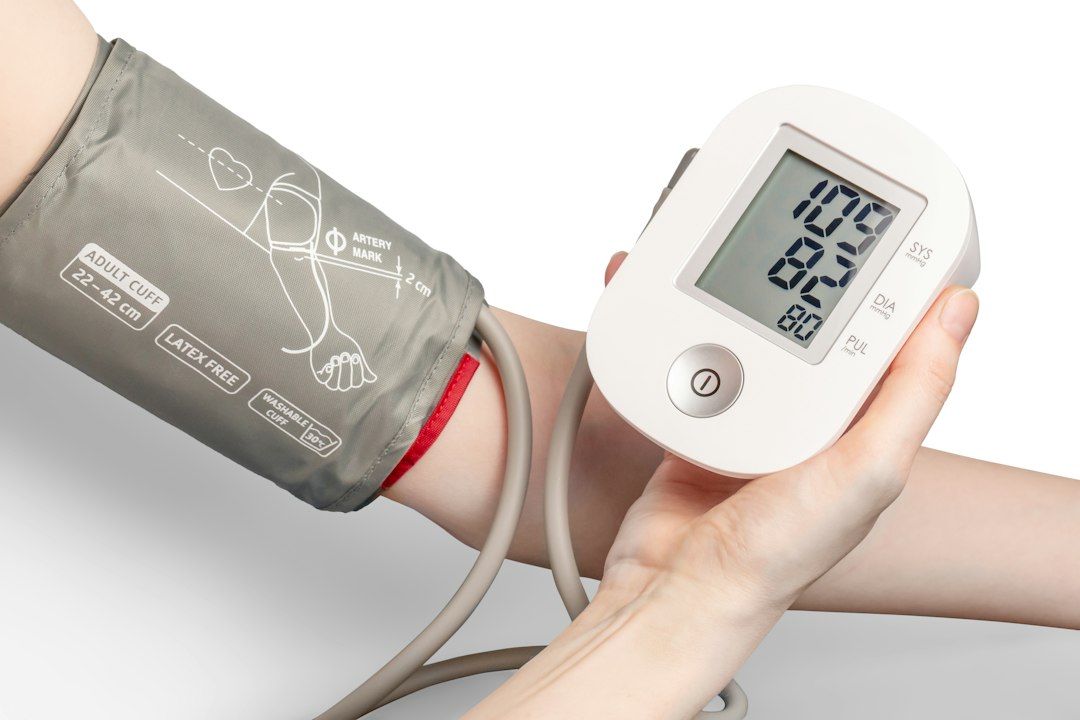
Many people with metabolic syndrome have no obvious symptoms, which is why it's often called a "silent" condition. You can have metabolic syndrome and feel perfectly fine until a serious cardiac event occurs. However, there are measurable markers your doctor can identify through blood work and physical measurements. The diagnostic criteria include a waist circumference greater than 40 inches for men and 35 inches for women, blood pressure of 130/85 mmHg or higher, fasting blood glucose of 100 mg/dL or above, triglycerides of 150 mg/dL or higher, and HDL cholesterol below 40 mg/dL for men or 50 mg/dL for women.
Beyond these clinical markers, many people do experience subtle warning signs. Fatigue, particularly after meals, is common because of blood sugar dysregulation. Difficulty losing weight, despite efforts to diet and exercise, often stems from insulin resistance—your body literally resists your attempts to shed pounds because insulin signals your cells to store fat rather than burn it. Some people notice increased thirst and frequent urination, reflective of higher blood glucose levels. Brain fog and difficulty concentrating can occur due to impaired glucose delivery to the brain. Skin changes, particularly darkened patches of skin (acanthosis nigricans), sometimes appear on the neck or underarms and indicate significant insulin resistance.
More concerning signs relate directly to heart function. Shortness of breath, even with mild exertion, may indicate that your cardiovascular system is working harder than it should. Chest discomfort, palpitations, or feelings of irregular heartbeats warrant immediate medical attention. Swelling in the legs or ankles can signal fluid retention related to metabolic dysfunction. Erectile dysfunction in men often serves as an early warning sign of endothelial dysfunction—damage to the inner lining of blood vessels—which precedes more serious cardiovascular events. Understanding these warning signs and discussing them with your healthcare provider is crucial for early intervention and preventing the serious metabolic syndrome heart health effects that can develop over time.
The Impact on Daily Life and Long-term Health
Living with unmanaged metabolic syndrome gradually erodes quality of life in ways that often go unrecognized until they become severe. The energy demands of your body's constant struggle against insulin resistance leave many people feeling persistently fatigued. This fatigue often leads to reduced physical activity, which worsens metabolic dysfunction—another vicious cycle. Social activities become more difficult; dining out becomes stressful when you're managing blood sugar, and recreational activities that require cardiovascular fitness become exhausting or impossible.
The psychological toll shouldn't be underestimated either. Weight gain associated with metabolic syndrome and insulin resistance can trigger depression and anxiety. The awareness that you're at significantly higher risk for heart attack or stroke creates chronic stress, which paradoxically worsens metabolic function further. Sleep quality often deteriorates, partly due to increased risk of sleep apnea in those carrying excess weight, and poor sleep in turn worsens metabolic syndrome—yet another problematic cycle.
Long-term, the cardiovascular consequences are serious. Metabolic syndrome heart health effects include accelerated atherosclerosis (plaque buildup in arteries), increased clotting risk, reduced ability of blood vessels to dilate properly, and chronic inflammation throughout the cardiovascular system. A 2020 study in the Journal of the American College of Cardiology demonstrated that patients with metabolic syndrome have a four- to five-fold increased risk of cardiovascular death compared to those without the syndrome. Without intervention, many people progress to type 2 diabetes, which compounds cardiovascular risk further, and face the genuine possibility of premature heart attack or stroke.
Natural Approaches and Lifestyle Modifications That Make a Real Difference
The encouraging news is that metabolic syndrome responds remarkably well to lifestyle intervention, often without medication. Research consistently shows that even modest weight loss—as little as 5 to 10 percent of body weight—can significantly improve all aspects of metabolic syndrome. This isn't about achieving a model figure; it's about improving metabolic function enough to reverse the dangerous cascade of changes.
Regular physical activity is perhaps the most powerful intervention available. Exercise doesn't just burn calories; it directly improves insulin sensitivity within hours of activity, increases HDL cholesterol, lowers blood pressure, and reduces triglycerides. For adults over 40, combining aerobic activity (150 minutes per week of moderate intensity) with resistance training (2-3 times weekly) produces the best results. Walking, swimming, and cycling are all excellent choices that are low-impact and sustainable long-term. Resistance training is particularly important because muscle tissue is metabolically active—building muscle increases your resting metabolic rate and your body's ability to utilize glucose.
Sleep deserves more attention than it typically receives in metabolic health conversations. Chronic sleep deprivation actively increases insulin resistance, reduces your ability to feel full, and increases cortisol (a stress hormone that promotes abdominal fat storage). Most adults need 7-9 hours of quality sleep nightly; prioritizing sleep is therefore a direct intervention against metabolic syndrome. Stress management through meditation, deep breathing, yoga, or simply spending time in nature also directly improves metabolic function by reducing cortisol.
Dietary changes provide another cornerstone. The Mediterranean diet, characterized by high consumption of vegetables, fruits, whole grains, legumes, nuts, and olive oil, with moderate fish consumption and limited red meat, has strong research support for improving all markers of metabolic syndrome. The key principle is reducing refined carbohydrates and processed foods, which spike blood sugar and worsen insulin resistance. Many people find that working with a registered dietitian helps personalize these changes to fit their preferences and lifestyle. When combined with the physical activity and lifestyle changes mentioned above, dietary modification creates powerful synergistic effects that can sometimes reverse metabolic syndrome entirely.
Key Nutrients and Dietary Factors Supporting Metabolic Health
Beyond general dietary patterns, specific nutrients play important roles in metabolic regulation and cardiovascular health. Fiber, particularly soluble fiber found in oats, beans, apples, and pears, helps regulate blood sugar and cholesterol levels. Most adults consume far less than the recommended 25-35 grams daily. Omega-3 fatty acids from fatty fish, walnuts, and flaxseeds help reduce triglycerides and lower inflammation. A 2018 meta-analysis in the American Journal of Clinical Nutrition confirmed that omega-3 supplementation significantly reduces triglycerides in people with metabolic syndrome.
Magnesium is another critical nutrient often deficient in people with metabolic syndrome. This mineral is essential for insulin secretion and glucose metabolism; low magnesium levels are associated with increased insulin resistance. Good sources include leafy greens, nuts, seeds, and whole grains. Polyphenols, found abundantly in berries, dark chocolate, green tea, and herbs, possess anti-inflammatory and antioxidant properties that directly address the chronic inflammation underlying metabolic syndrome. B vitamins, particularly B6, B12, and folate, support energy metabolism and cardiovascular health. This is why many adults turn to targeted formulas — one such option is Cardio Slim Tea, which combines these key nutrients in one supplement designed to support metabolic and cardiovascular function.
Chromium, a trace mineral that enhances insulin function, has shown benefits in several studies for reducing blood sugar and body weight in people with metabolic syndrome. Potassium helps counterbalance sodium's effects on blood pressure and supports overall cardiovascular function. Rather than viewing nutrition through the lens of individual supplements, the optimal approach combines a nutrient-dense whole foods diet with targeted supplementation where deficiencies exist. This integrated approach gives your body the raw materials it needs to repair metabolic dysfunction and restore cardiovascular health.
Frequently Asked Questions
Q: Can you have metabolic syndrome without being overweight?
A: Yes, though it's less common. Some people maintain normal weight while carrying excess visceral fat around their organs—a pattern called "metabolically obese, normal weight" (MONW). This occurs more commonly in people who are sedentary or have significant muscle loss. Visceral fat actively promotes insulin resistance regardless of overall weight, so thin people with this pattern still face elevated cardiovascular risk from metabolic syndrome.
Q: How quickly can lifestyle changes reverse metabolic syndrome?
A: Changes occur rapidly. Insulin sensitivity improves within days of increased physical activity, and blood pressure often drops within weeks. Significant weight loss typically requires months, but metabolic improvements often precede visible weight changes. Many people see meaningful improvements in blood work within 3-6 months of consistent lifestyle modification.
Q: Is medication necessary if I have metabolic syndrome?
A: Not always. Research shows that intensive lifestyle intervention can prevent or delay type 2 diabetes in 58 percent of people with metabolic syndrome, compared to just 11 percent on medication alone. However, individual circumstances vary. Work with your doctor to determine if your blood pressure or cholesterol levels warrant medication while you implement lifestyle changes.
Managing metabolic syndrome requires addressing multiple factors—weight, physical activity, nutrition, and stress—simultaneously. While lifestyle changes form the foundation, many people find that targeted nutritional support accelerates their progress. If you're looking to explore formulas built specifically around the nutrients discussed in this article, see the ingredients in Cardio Slim Tea and how they support metabolic and cardiovascular health.