Introduction
High cholesterol affects millions of adults over 40, yet many don't realize they have it until a routine blood test reveals the problem. Unlike some health conditions, elevated cholesterol rarely causes obvious symptoms, which is why it's often called a "silent" risk factor for heart disease. The good news is that natural ways to lower cholesterol naturally are both accessible and scientifically supported. Rather than relying solely on medication, many people find success by making deliberate changes to their diet and lifestyle habits. This article explores practical, evidence-based strategies that can help you manage cholesterol levels and support your cardiovascular health for the long term.
Understanding Cholesterol: Causes and Background
Cholesterol is a waxy substance produced by your liver and also obtained from the foods you eat. Your body needs some cholesterol to function properly—it's essential for making hormones, vitamin D, and bile acids that help digest fat. The problem arises when cholesterol levels become too high. There are two main types of cholesterol that matter for your health: LDL (low-density lipoprotein), often called "bad" cholesterol, and HDL (high-density lipoprotein), known as "good" cholesterol. When LDL levels are elevated, it can accumulate in artery walls, forming plaques that narrow blood vessels and restrict blood flow.
A 2022 analysis published in the American Journal of Preventive Medicine found that dietary factors account for approximately 80% of the variation in cholesterol levels among adults, meaning lifestyle choices have a profound impact. Several factors contribute to high cholesterol: a diet rich in saturated and trans fats, sedentary behavior, excess body weight, smoking, and excessive alcohol consumption all play significant roles. Age and genetics also matter—as you age, your cholesterol levels naturally tend to rise, and some people inherit a genetic predisposition to higher cholesterol. For many adults over 40, the combination of aging, dietary habits accumulated over decades, and reduced physical activity creates an environment where cholesterol management becomes increasingly important. Understanding these causes is the first step toward making meaningful changes.
The Role of Genetics and Age
While lifestyle factors are crucial, it's important to acknowledge that genetics play a significant role in determining your cholesterol levels. Some individuals inherit familial hypercholesterolemia, a condition where the body produces excessive cholesterol regardless of diet, affecting approximately 1 in 250 to 500 people. If you have a family history of high cholesterol or early heart disease, your genetic predisposition may require a more aggressive management approach, possibly including medication alongside lifestyle changes. Additionally, cholesterol naturally tends to rise with age due to changes in how your body metabolizes lipids, slower metabolism, and cumulative effects of lifestyle habits over decades.
Triglycerides: The Often-Overlooked Factor
While LDL and HDL cholesterol receive the most attention, triglycerides are another critical blood fat that affects your cardiovascular health. High triglyceride levels, often resulting from excessive refined carbohydrates, sugar, and alcohol consumption, independently increase heart disease risk. Interestingly, triglycerides often improve more dramatically than cholesterol with dietary changes and exercise, sometimes dropping 20-30% within just a few weeks of lifestyle modifications. Understanding all three components of your lipid profile—total cholesterol, LDL, HDL, and triglycerides—gives you a more complete picture of your cardiovascular risk.
Signs and Symptoms: How Elevated Cholesterol Presents
One of the most challenging aspects of high cholesterol is that it typically produces no noticeable symptoms. You can have significantly elevated cholesterol levels and feel perfectly fine, which is why regular screening is so important. Unlike conditions such as high blood pressure, which sometimes causes headaches or dizziness, high cholesterol works silently in the background, gradually damaging your cardiovascular system. This absence of symptoms means many people don't realize they have a problem until they experience a more serious cardiovascular event or receive results from a routine blood test.
The only reliable way to know your cholesterol levels is through a blood test called a lipid panel. During this test, healthcare providers measure total cholesterol, LDL cholesterol, HDL cholesterol, and triglycerides (another type of blood fat). For most adults, a total cholesterol level below 200 mg/dL is considered desirable, LDL below 100 mg/dL is optimal, and HDL above 60 mg/dL is protective. However, these numbers can vary based on individual risk factors and medical history. Some people may experience indirect signs of advanced cardiovascular disease caused by high cholesterol—such as chest pain, shortness of breath, or numbness in the extremities—but these indicate that significant arterial damage has already occurred. This underscores why prevention through diet and lifestyle changes is so valuable; you can manage cholesterol before serious complications develop.
Impact on Daily Life and Long-Term Health
While high cholesterol doesn't cause immediate symptoms, its impact on daily life and long-term health can be profound. Elevated cholesterol increases your risk for heart attack and stroke, two leading causes of death and disability in adults. Beyond these acute events, high cholesterol contributes to a progressive narrowing of arteries throughout your body, which can limit your physical capacity over time. You might notice that activities you once found easy—climbing stairs, walking distances, or exercising—become more difficult as your cardiovascular system works harder to pump blood through partially blocked vessels.
The psychological impact shouldn't be overlooked either. Learning that you have elevated cholesterol can create anxiety about your future health and mortality. Many people feel overwhelmed by the prospect of taking medications indefinitely, or they worry about their quality of life as they age. However, this concern can be motivating. Taking action now—through dietary changes, increased physical activity, and other lifestyle modifications—puts you back in control and often delays or eliminates the need for medication. Managing cholesterol proactively also sends positive signals to your body about commitment to health, which often motivates people to make other beneficial changes as well, creating a positive cascade of improvements in overall wellness.
Natural Approaches and Lifestyle Modifications
Exercise is one of the most powerful natural ways to lower cholesterol naturally. A 2020 study in Circulation found that regular physical activity can increase HDL cholesterol (the beneficial kind) by up to 10%, which is comparable to some medications. Aim for at least 150 minutes of moderate-intensity aerobic activity per week—activities like brisk walking, cycling, swimming, or jogging. Additionally, resistance training twice per week helps build muscle, which improves metabolism and supports healthy cholesterol levels. The key is consistency; even small amounts of daily movement add up significantly over time.
Building an Exercise Routine That Works for You
The best exercise routine is one you'll actually stick with, so choose activities you enjoy. If you dislike running, try dancing, hiking, or team sports instead. For those with limited time, high-intensity interval training (HIIT) offers comparable cholesterol benefits to traditional steady-state cardio in shorter sessions. Starting gradually is important—if you're currently sedentary, begin with 10-15 minute walks and gradually increase duration and intensity. Studies show that even light physical activity provides meaningful cholesterol improvements, so don't feel pressured to become an athlete overnight. The goal is sustainable, lifelong movement rather than intense short-term efforts.
Weight management is another crucial factor. Excess body weight, particularly abdominal fat, is strongly associated with elevated cholesterol and triglycerides. A modest weight loss of just 5-10% of your body weight can produce meaningful improvements in your cholesterol profile. Stress management also matters more than many people realize. Chronic stress elevates cortisol levels, which can raise cholesterol. Practices like meditation, yoga, deep breathing exercises, or simply spending time in nature can help reduce stress and support cardiovascular health. Similarly, adequate sleep is essential; research shows that people who sleep fewer than 6-7 hours per night tend to have higher cholesterol levels. Finally, limiting alcohol consumption and quitting smoking (if applicable) are critical lifestyle changes that improve both cholesterol levels and overall cardiovascular health.
Dietary Approaches: Foods and Nutrients That Support Healthy Cholesterol
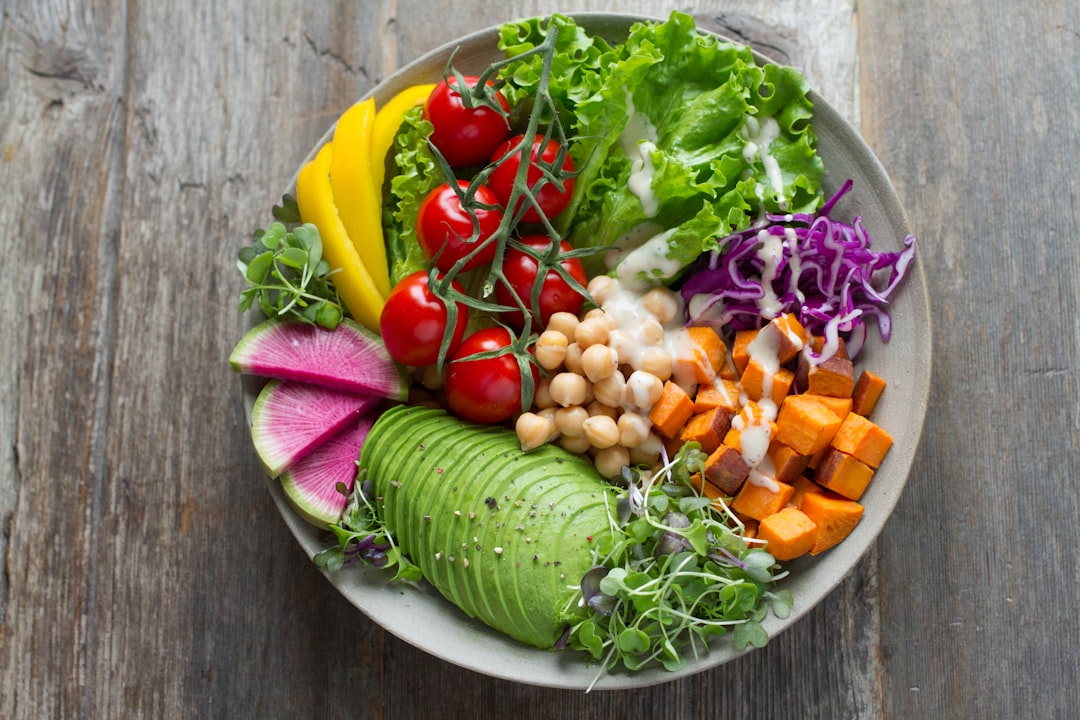
Diet is perhaps the most direct lever you can pull to influence cholesterol levels. Soluble fiber is particularly effective at lowering LDL cholesterol. Found in oats, barley, beans, lentils, apples, and citrus fruits, soluble fiber binds to cholesterol particles in your digestive system and helps remove them from your body. A meta-analysis in the American Journal of Clinical Nutrition showed that consuming 2-10 grams of soluble fiber daily can reduce LDL cholesterol by approximately 5%. Plant sterols and stanols, compounds found naturally in nuts, seeds, vegetable oils, and fortified foods, also help block cholesterol absorption. Consuming 2 grams daily of plant sterols can reduce LDL cholesterol by up to 10%.
Omega-3 fatty acids, abundant in fatty fish like salmon, mackerel, and sardines, help lower triglycerides and support HDL cholesterol. Aim to eat fatty fish at least twice per week. For those who don't eat fish, algae-based supplements or ground flaxseeds and chia seeds provide plant-based omega-3 sources. Reducing saturated fat intake is equally important; replace butter, full-fat dairy, and fatty meats with healthier options like olive oil, lean poultry, and plant-based proteins. Many people exploring these dietary changes turn to comprehensive nutritional support options like supplements specifically formulated to complement heart-healthy eating patterns, which can help fill gaps when dietary changes alone need extra support. Antioxidant-rich foods—berries, dark leafy greens, nuts, and dark chocolate—protect your cardiovascular system by reducing inflammation and oxidative stress, both of which contribute to atherosclerosis.
Practical Meal Planning for Cholesterol Management
Implementing dietary changes doesn't require overhauling your entire diet overnight. Start by making one meal per day heart-healthy—perhaps breakfast with oatmeal topped with berries and ground flaxseed, or lunch with grilled salmon and quinoa. Gradually expand these changes to other meals. A Mediterranean diet pattern, which emphasizes olive oil, fish, legumes, whole grains, and abundant vegetables, has strong scientific support for cholesterol management and overall cardiovascular health. When grocery shopping, read labels to identify products high in saturated fat and trans fat, and prioritize whole foods over processed options. Meal prepping on weekends can make it easier to stick to heart-healthy choices throughout the week, particularly when life gets busy.
When to See a Doctor
While natural approaches and lifestyle modifications are powerful tools for managing cholesterol, medical guidance is essential in certain situations. You should see your healthcare provider if you have a family history of high cholesterol or early heart disease, if you're over 40 and haven't had your cholesterol checked recently, or if a recent blood test showed elevated levels. Additionally, if you've been making dietary and lifestyle changes for 3-6 months without seeing meaningful improvements in your cholesterol levels, medication may be an appropriate next step rather than something to avoid.
It's also important to consult with your doctor before starting new supplements or significantly increasing your exercise intensity, particularly if you have existing cardiovascular issues or take medications. Some supplements can interact with medications like statins, and your doctor can help you navigate these considerations safely. Regular check-ins with your healthcare provider—ideally every 3-6 months when actively managing cholesterol—allow you to track progress, adjust strategies as needed, and catch any developing health issues early. Remember that natural approaches and medical treatments aren't mutually exclusive; many people benefit from a combination approach that uses lifestyle modifications as the foundation with medication added when necessary.
Frequently Asked Questions
Q: How long does it take to see cholesterol improvements from diet and exercise changes?
A: Most people notice meaningful changes in their lipid panel within 4-6 weeks of consistent dietary improvements and regular exercise. However, genetics play a role, and some individuals see faster results than others. The important thing is to stick with these changes long-term rather than expecting overnight results. Your healthcare provider can monitor progress with periodic blood tests.
Q: Can you have high cholesterol and still feel healthy?
A: Absolutely. High cholesterol is asymptomatic, meaning you can feel perfectly fine while your arteries are accumulating plaque. This is precisely why regular cholesterol screening is recommended for all adults, especially those over 40. Feeling good doesn't mean your cholesterol levels are safe.
Q: Are there specific foods I should completely avoid?
A: Rather than thinking in terms of foods to completely eliminate, focus on reducing foods high in saturated and trans fats—like fried foods, processed snacks, fatty cuts of meat, and full-fat dairy products. Most foods can fit into a cholesterol-friendly diet in moderation; the key is balance and portion control rather than strict elimination.
Q: Can supplements alone lower my cholesterol without dietary changes?
A: While some supplements contain ingredients with cholesterol-supporting properties, they work best as complementary tools alongside dietary improvements and exercise, not as replacements. The most dramatic cholesterol improvements come from the combination of all these approaches. Supplements can help fill nutritional gaps or provide additional support, but the foundation must be lifestyle modifications.
Q: Is it ever too late to start managing cholesterol naturally?
A: It's never too late. Even if you're in your 60s, 70s, or beyond, improvements in diet and exercise can meaningfully improve your cholesterol levels and reduce your cardiovascular risk. Your body responds positively to healthy changes at any age, and the benefits—improved energy, better sleep, enhanced physical capacity—often motivate continued commitment to these healthier habits.
Moving Forward
Managing cholesterol through natural approaches requires commitment, but the payoff in terms of health, energy, and longevity is substantial. Start by implementing one or two changes—perhaps increasing your daily steps and adding more fiber-rich foods to your meals—then gradually build from there. Track your progress not just through blood work, but through how you feel: increased energy, better sleep, improved mood, and greater physical capacity are all positive signs that your cardiovascular system is responding positively to your efforts.
If you're actively managing your cholesterol through diet and lifestyle changes but want additional nutritional support, Cardio Slim Tea may be worth exploring. It's formulated to provide complementary nutrients that support cardiovascular health alongside your existing efforts. Visit our homepage to learn more about how this supplement fits into a comprehensive cholesterol management strategy.